


Understanding Car Finance Options for First-Time Buyers
Buying your first car is exciting. But when you're sitting in a dealership and the conversation turns to finance, it can suddenly feel like everyone else knows a language you've never learned. Hire purchase, PCP, leasing, APR, balloon payments — it's a lot to take in. The good news is that you don't need to be a finance expert to get a fair deal. You just need to understand the three main options, know what questions to ask, and focus on the total cost rather than the tempting monthly figure.
Start with the Total Cost, Not the Monthly Payment
It's tempting to pick the deal with the lowest monthly payment. But a low monthly payment can hide a much bigger overall cost. Instead, ask for the total amount payable — the full sum you'll hand over from start to finish, including deposit, monthly payments, interest, and any final payment. Compare that figure across deals, not just the month-to-month number. A deal that costs £180 a month for four years might actually cost you more than one at £220 a month for three years. Always do the maths on the whole picture.
Hire Purchase: Simple, Straightforward Ownership
Hire purchase (HP) is the most traditional route. You pay a deposit, then fixed monthly payments over an agreed term — usually two to five years. Once you've made the final payment, the car is yours. There's no balloon payment, no mileage limit, and no surprise bill at the end. You can also settle the agreement early, though there may be an early repayment charge — often a few months' interest — so check the terms first.
HP tends to suit first-time buyers who want certainty and plan to keep the car for a long time. The monthly payments are usually higher than PCP because you're paying off the whole value of the car, not just part of it. But for many people, that simplicity is worth it.
Personal Contract Purchase: Lower Payments, Final Choice
Personal Contract Purchase (PCP) is popular because it often means lower monthly payments. You pay a deposit, then monthly payments based on the car's expected depreciation during the term. At the end, you have three choices: pay a large balloon payment (also called the optional final payment) and keep the car, hand it back, or part-exchange it for another vehicle.
PCP comes with conditions. There's usually an annual mileage limit — often 8,000 to 12,000 miles — and you'll pay a charge per mile if you exceed it. You'll also need to keep the car in good condition, because wear and tear beyond fair use can lead to charges when you hand it back. If you like driving a newer car every few years and don't mind the mileage cap, PCP can work well. But if you do high mileage or want to own the car outright without a final lump sum, HP may be the better fit.
Leasing: Flexible Access with Boundaries
Leasing — sometimes called personal contract hire — is essentially a long-term rental. You pay an initial payment, then fixed monthly payments for the term, and hand the car back at the end. You never own it. Leasing is most common on new cars, though some independent dealers can arrange it on nearly new or used models.
Leasing often gives you the lowest monthly payments, but the rules are strict. Mileage limits are usually tighter, and wear and tear charges can be significant. Early termination can be expensive, so it's not ideal if your circumstances might change. For first-time buyers who want a brand-new car with a warranty and don't mind never owning it, leasing can be tempting. Just be honest with yourself about your mileage and how long you'll need the car.
Deposits, APR and Early Repayment Charges: What to Ask
Before you sign anything, ask these questions. Write them down if it helps. A good dealer will answer them clearly and without pressure.
- How much deposit do I need? Some deals ask for 10%, others 20% or more. A larger deposit lowers your monthly payments but ties up your cash.
- What is the APR? This is the annual percentage rate — the true cost of borrowing. Compare APRs across deals, and remember that a lower APR saves you money over the term.
- Are there early repayment charges? If you want to pay off the finance early, you may face a penalty. Ask how it's calculated and whether it applies to HP, PCP or leasing.
- What happens at the end of the term? For PCP, ask about the balloon payment and mileage charges. For leasing, ask about excess mileage and wear and tear costs.
- Is the finance secured against the car? Most car finance is secured, meaning the lender can repossess the car if you stop paying. Understand the risks before you commit.
Making the Right Choice for Your First Car
There's no single best finance option for everyone. It depends on your budget, how long you plan to keep the car, your annual mileage, and whether you want to own it outright. As a first-time buyer, be wary of any deal that feels rushed. Take the figures home, compare the total cost, and don't be afraid to ask for a breakdown in writing. A trustworthy independent dealership will welcome your questions — they want you to drive away happy, not overwhelmed. Get the numbers clear, choose the deal that fits your life, and enjoy your first car with confidence.


Used Cars
-
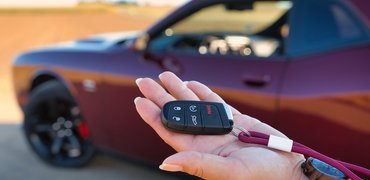
Test lights, horn, wipers, brakes, and tyre tread before your MOT appointment. Fixing minor issues early can prevent a costly failure and keep you road legal.

Servicing




-

Long established fact that a reader will be distracted
-

Long established fact that a reader will be distracted
-

Long established fact that a reader will be distracted



Car Finance
Karla Gleichauf
12 May 2017 at 05:28 pm
On the other hand, we denounce with righteous indignation and dislike men who are so beguiled and demoralized by the charms of pleasure of the moment
M Shyamalan
12 May 2017 at 05:28 pm
On the other hand, we denounce with righteous indignation and dislike men who are so beguiled and demoralized by the charms of pleasure of the moment
Liz Montano
12 May 2017 at 05:28 pm
On the other hand, we denounce with righteous indignation and dislike men who are so beguiled and demoralized by the charms of pleasure of the moment