


Guide to Choosing the Right Family Hatchback
Start With Your Daily Reality, Not the Showroom
Most families buy a hatchback because it does the ordinary things brilliantly: the school run, the weekly shop, the tip run, the trip to the grandparents two counties away. Before you look at a single car, write down your typical week. How many miles, on what roads, with how many people and how much luggage? A family that mostly does short town journeys has very different needs from one covering 15,000 motorway miles a year.
A hatchback sits in a sweet spot between a supermini and an SUV. You get a proper boot, five usable seats and running costs that won't make you wince at the pump, without the bulk that makes multi-storey car parks a misery. The trick is choosing the right one for your family, and that means looking beyond the badge and the paint colour.
Boot Space: Measure It With Your Own Kit
Manufacturers quote boot volume in litres, but those numbers flatter some cars. A typical family hatchback offers roughly 300 to 380 litres with the seats up, rising to around 1,000 to 1,300 litres with the rear bench folded. That sounds generous until you try to fit a folded pushchair diagonally across a load lip.
- Bring the pushchair. Take your actual buggy, travel cot or dog crate to viewings. Fold it, lift it in and out, and see whether you still have room for shopping.
- Check the load lip height. A high, deep lip makes lifting heavy items awkward, especially if you have back trouble or a toddler on your hip.
- Look at the tailgate opening. Some cars have a wide, square aperture; others taper at the top and swallow less than the litres suggest.
- Don't ignore underfloor storage. A false floor or spare-wheel well can hide charging cables, wellies or a first aid kit.
- Seats-up practicality matters most. If you rarely fold the bench, the seats-up figure is the one that counts.
Also check the parcel shelf. A flimsy roller blind that has to be removed entirely is a nuisance when you need to fill the boot to the roof.
Running Costs: Fuel, Tax and Insurance
Running costs are where a sensible choice pays you back every month. For short, stop-start journeys, a petrol or mild-hybrid hatchback usually makes more sense than a diesel, which needs longer runs to keep its exhaust system healthy. If you cover big motorway mileages, a diesel may still win on fuel, but factor in the higher purchase price and any clean air charges in your area.
Official economy figures are optimistic. Expect real-world results to be 10 to 20 per cent lower, and check honest owner-reported figures for the exact model you're considering. Insurance is often the surprise cost: hatchbacks commonly sit in groups 10 to 25, but a sporty trim with bigger wheels and more power can jump several groups. Get a quote using the registration number before you commit, and add a young driver to the policy to see the true impact.
- Road tax (VED): check the first-year and standard rates for the specific year of car.
- Tyres: larger alloys mean pricier rubber. A 16-inch wheel is usually cheaper to replace than an 18-inch.
- Servicing: ask for the interval schedule and typical costs for cambelt, clutch and brakes.
Child Seat Access and Rear Passenger Space
You'll lift a child into the back hundreds of times. Rear door opening width and the height of the seat base make a huge difference to your back. A car with a high window line and a narrow door aperture will have you twisting awkwardly every morning.
Look for at least two sets of ISOFIX anchor points, ideally with top tether fixings, and check that the anchor points are easy to see rather than buried behind stiff plastic flaps. If you plan to carry three children across the back, measure the middle seat honestly: many hatchbacks have a narrow centre position with a raised cushion and no ISOFIX, which suits a booster seat at best.
Sit in the back yourself. Check knee room behind your own driving position, headroom for teenagers, and whether the rear windows actually go down. A centre armrest that folds into a cup holder is a small thing that makes long journeys calmer.
The Test Drive That Tells the Truth
Book a proper test drive of at least 30 minutes, on roads you know. Start with the basics: can you get comfortable, reach the pedals, and see clearly out of every window and mirror? Thick A-pillars and small rear windows create blind spots that only show up in real traffic.
- Park it. Reverse into a bay and parallel park between two cars. This is your daily reality, not a lap of a dual carriageway.
- Drive over speed bumps and rough tarmac. Family comfort matters more than sharp handling.
- Take a motorway stretch. Check wind and tyre noise at 70mph, and whether the car pulls cleanly in fifth or sixth.
- Test the heating, air conditioning and demisting on a cold morning if you can, and try the infotainment with your phone connected.
- Bring the family. A child seat fitted in the back and a passenger alongside will reveal cramped shoulders and awkward belts.
Buying Used From an Independent Dealer
Independent dealerships often offer keener prices and more personal service than large chains, but the onus is on you to check the paperwork. Ask to see the full service history, not just a stamped book, and look for a cambelt or chain replacement record if the engine uses one. On hybrids, ask for evidence of battery health checks.
Insist on a cold start so you can hear the engine from cold, check tyre tread depths across all four tyres, and look at brake disc wear. Check the MOT history for repeated advisories, and confirm the mileage is consistent across servicing records. Finally, ask in writing what warranty is included, what it covers, and how long it lasts. A dealer who answers these questions cheerfully is usually one worth buying from.


Used Cars
-
Check fluid levels, tyre pressures, lights, and wiper blades regularly between garage visits. Small weekly checks can prevent breakdowns and improve fuel efficiency.

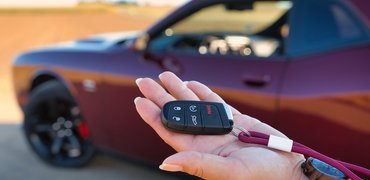
Servicing




-

Long established fact that a reader will be distracted
-

Long established fact that a reader will be distracted
-

Long established fact that a reader will be distracted



Car Finance
Karla Gleichauf
12 May 2017 at 05:28 pm
On the other hand, we denounce with righteous indignation and dislike men who are so beguiled and demoralized by the charms of pleasure of the moment
M Shyamalan
12 May 2017 at 05:28 pm
On the other hand, we denounce with righteous indignation and dislike men who are so beguiled and demoralized by the charms of pleasure of the moment
Liz Montano
12 May 2017 at 05:28 pm
On the other hand, we denounce with righteous indignation and dislike men who are so beguiled and demoralized by the charms of pleasure of the moment