

How to Inspect a Used Car Before Buying
Preparation and first impressions
Buying a used car from an independent dealership can be a brilliant experience, but a little detective work goes a long way. Before you travel, ask for the registration number and current mileage, then check the MOT history online. Look for advisories, failures and any gaps in the mileage record. A car with a long, honest MOT history is often a safer bet than one with a mysterious year missing. When you arrive, ask to see the car outside in daylight — never inspect a car in the rain or under dim lights. Take a torch, a small magnet, a tyre tread gauge and a notebook. Give yourself at least 45 minutes. If the dealer rushes you, treat that as a warning sign.
Bodywork and structural checks
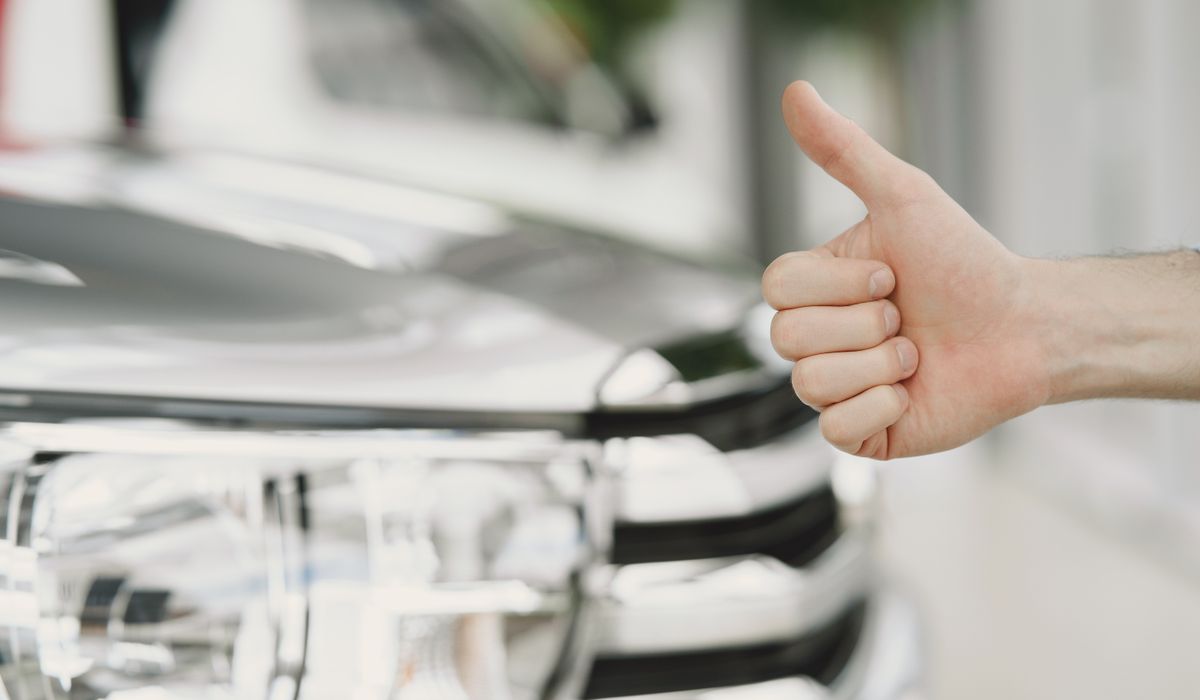
Walk around the car slowly, looking along each panel from the front and rear. Reflections should ripple smoothly; if they wobble, there may be filler or a poor repair beneath. Check panel gaps — they should be even and consistent on both sides. Look at the colour match between panels, especially bumpers, wings and doors. Overspray on rubber seals, wheel arches or glass is a sign of a respray. Open and close every door, the bonnet and the boot. They should shut with a solid clunk, not a rattle.
Rust is the biggest enemy of an older car. Check wheel arches, sills, the boot floor, the spare wheel well, suspension turrets and around the windscreen. Lift the carpets in the boot and footwells if you can; dampness or bubbling paint can mean serious trouble. A magnet will not stick to filler, so use it gently on lower panels and around wheel arches. Check the windscreen for chips and cracks, especially in the driver's line of sight. Small chips can grow, and a cracked screen is an MOT failure waiting to happen.
Service history, MOTs and mileage
A stamped service book is good, but invoices and receipts are better. They show what was actually done, when, and at what mileage. Check the V5C registration document carefully: the seller's name and address should match, and the vehicle identification number (VIN) on the document should match the car. Ask when the cambelt was last changed if the car has one, and whether the water pump was done at the same time. For diesel cars, ask about the diesel particulate filter and any recent repairs.
Look at the MOT certificates, both paper and online. Mileage should rise steadily year on year. Big jumps or drops are suspicious. A car that has covered 100,000 miles with a full history can be a better buy than a 60,000-mile car with no proof. Check the wear on the pedals, steering wheel and driver's seat; they should match the claimed mileage. If the car has a digital service record, ask the dealer to print it out.
Tyres, brakes and under the bonnet
Tyres are your only contact with the road, so check them properly. The legal minimum tread depth is 1.6mm, but 3mm is a sensible limit for replacing them. Look for uneven wear across the tread, which can point to tracking or suspension problems. Check the sidewalls for cuts, bulges and cracks. Find the four-digit DOT code on the sidewall; it tells you when the tyre was made. Tyres older than six years should be treated with suspicion, even if they have plenty of tread. Check the spare wheel and jack too.
Brakes matter just as much. Look at the discs through the wheel spokes; deep grooves or a heavy lip on the edge mean they are worn. Check the handbrake travel. Under the bonnet, check the oil, coolant, brake fluid and screenwash levels. The oil should be golden-brown, not black and gritty. Look for mayonnaise-like sludge under the oil filler cap, which can indicate head gasket trouble. Check hoses and belts for cracks. With the ignition on, all warning lights should illuminate and then go out. If the engine management light stays on, walk away or ask for a diagnostic check.
Inside the cabin and the test drive
Start the engine from cold if possible. Listen for rattles, tapping, exhaust blows or a rough idle. Test every switch: windows, mirrors, seats, heater, air conditioning, radio, lights and horn. The air conditioning should blow cold within a minute. Check the seats, carpets and headlining for damp or stains. Water leaks can be expensive to fix.
Take the car on a test drive of at least 15 minutes. Include town streets, a dual carriageway, a roundabout and some speed bumps. Check the clutch bite point and that gears engage smoothly. Listen for whining or crunching. Test the brakes firmly, and feel for any pull through the steering wheel. Drive over bumps to hear suspension knocks. After the drive, leave the engine idling and look for smoke or leaks. Check that the temperature gauge stays steady. If anything feels wrong, trust your instincts.
Negotiating with confidence
You now have a list of faults, so use it politely. Ask the dealer to repair items, provide a fresh MOT, or reduce the price. Get any agreement in writing, including what will be fixed and by when. If the car needs tyres, brakes or a cambelt, get quotes and factor them into your offer. Remember that an independent dealer's reputation is built on aftercare, so ask about the warranty and servicing. A careful inspection helps you buy with your head as well as your heart — and that is how you get a good car at a fair price.


Used Cars
-
Compare hire purchase, personal contract purchase, and leasing deals to understand total costs. Ask about deposit requirements, APR, and early repayment charges before signing.


Servicing




-

Long established fact that a reader will be distracted
-

Long established fact that a reader will be distracted
-

Long established fact that a reader will be distracted



Car Finance
Karla Gleichauf
12 May 2017 at 05:28 pm
On the other hand, we denounce with righteous indignation and dislike men who are so beguiled and demoralized by the charms of pleasure of the moment
M Shyamalan
12 May 2017 at 05:28 pm
On the other hand, we denounce with righteous indignation and dislike men who are so beguiled and demoralized by the charms of pleasure of the moment
Liz Montano
12 May 2017 at 05:28 pm
On the other hand, we denounce with righteous indignation and dislike men who are so beguiled and demoralized by the charms of pleasure of the moment