

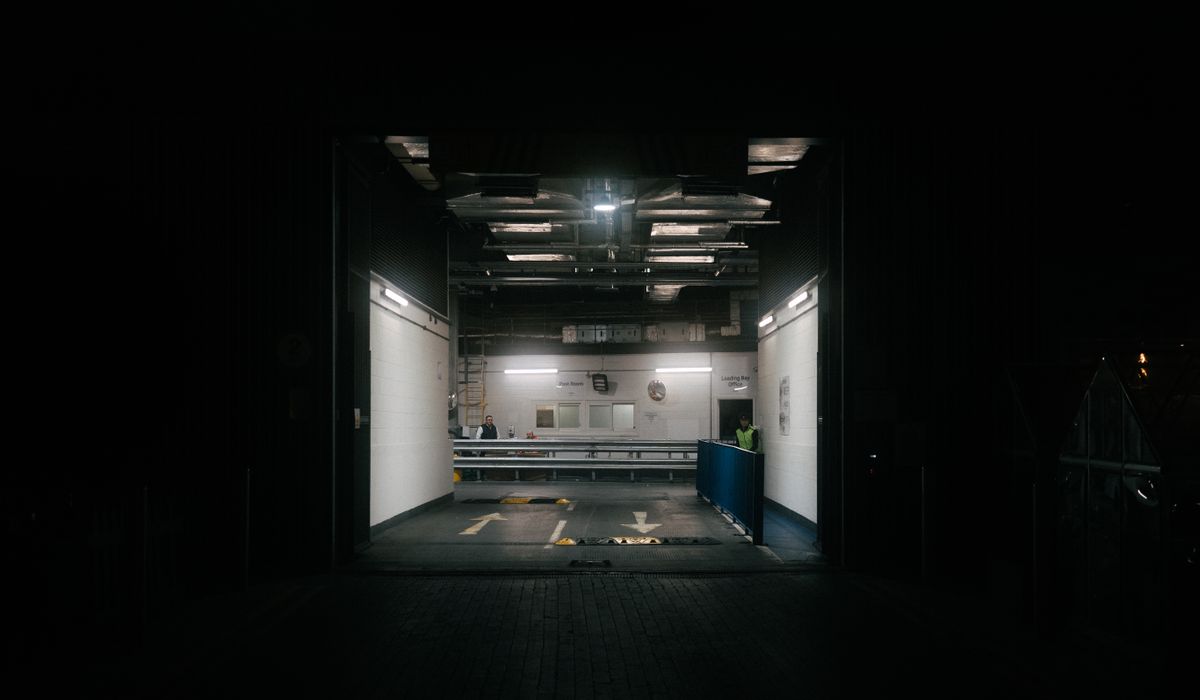
The Benefits of Booking a Pre-Purchase Inspection
Why a Used Car Needs More Than a Test Drive
Buying a used car is rarely a small decision. A test drive tells you how it feels, but not whether the clutch is on its last thousand miles, whether the rear quarter has been welded after a shunt, or whether a fault code has been recently cleared. That is where a pre-purchase inspection comes in. For a modest fee, an independent mechanic will examine the car properly and hand you a written report. That report is not a sales pitch. It is evidence.
What an Independent Inspection Covers
A thorough check is more than a quick look under the bonnet. A good independent garage will work through a checklist that includes:
- Bodywork and paint: mismatched panels, overspray, filler, and signs of accident repair.
- Structural integrity: chassis legs, sills, floor pans, and suspension mounts for corrosion or distortion.
- Mechanical components: engine, gearbox, clutch, cambelt or timing chain, cooling system, and exhaust.
- Running gear: brakes, tyres, suspension, steering, and wheel bearings.
- Electronics: diagnostic scan for stored fault codes, plus lights, windows, air conditioning, and infotainment.
- Road test: gear changes, braking, steering pull, unusual noises, and warning lights.
- Documentation: VIN, service history, MOT records, and mileage consistency.
You receive a clear summary of what is working, what needs attention now, and what may need attention soon. That is far more useful than a seller's assurance that "it runs lovely".
Spotting Structural Damage and Hidden Repairs
Structural damage is the hidden killer of used car value. A car that has been in a significant accident may have been repaired to a cosmetic standard but still be weakened or misaligned. An independent mechanic will look for uneven panel gaps, ripples in the paint, fresh underseal hiding welded patches, and creases in the boot floor or inner wings. They may use a paint depth gauge to find filler a casual glance would miss, and check that VIN plates show no signs of tampering.
Previous repairs are not always a deal-breaker. A well-documented repair by a reputable bodyshop can be fine. But a poor or concealed repair changes everything. Knowing the truth lets you negotiate hard or walk away.
Mechanical Faults That Don't Show on a Short Drive
Some faults only appear when a car is cold, under load, or on a longer run. A short test drive may not reveal a slipping clutch, a failing turbo, or a head gasket just beginning to weep. An independent mechanic will start the car from cold, listen for timing chain rattle, check for blue or white smoke, and inspect the coolant and oil for contamination. They will also scan the ECU for pending fault codes that may have been recently cleared. A seller who has nothing to hide will usually welcome this scrutiny. A seller who becomes evasive is telling you something important.
Evidence That Changes the Conversation on Price
A pre-purchase inspection report is a negotiation tool. Instead of haggling based on gut feeling, you can point to specific findings. If the report notes that the rear brake discs are worn below minimum thickness, that the air conditioning does not blow cold, and that the cambelt is overdue, you can ask for those repair costs to be reflected in the price. You might get a few hundred pounds off, or the seller might agree to put the work right before you buy.
And if the report reveals serious structural corrosion, a failing gearbox, or evidence of a major unrepaired collision, you can walk away with confidence. That is not a wasted fee. It is money well spent to avoid a far larger bill later. Many buyers save more than the inspection cost, either through a lower purchase price or by avoiding a bad car altogether.
How to Arrange an Inspection Without the Hassle
Choose an independent garage or mobile inspector with good local reviews and experience of the type of car you are considering. Ask what the inspection includes, how long it takes, and whether you receive a written report with photographs. Expect to pay anywhere from £80 to £250 depending on the depth of the check and the vehicle.
Next, speak to the seller. A private seller or independent dealer should be willing to make the car available for an hour or two. If they refuse, that is a red flag. Ideally, the inspection happens at the seller's location or at the mechanic's workshop. Remember that an MOT is not a guarantee of mechanical health; it only confirms minimum safety and emissions standards on the day.
Read the report carefully and ask the mechanic to explain anything you do not understand. A good independent will happily talk you through the findings and give rough repair costs. That conversation alone can be worth the fee. A pre-purchase inspection will not eliminate risk, but it will shrink it dramatically. You get facts instead of promises, and you make your decision with your eyes open. For most buyers, that is the best money they will spend all year.


Used Cars
-
Learn what each section means, including advisory notes and failure items. Understanding the certificate helps you plan repairs and track your vehicle's roadworthiness.


Servicing




-

Long established fact that a reader will be distracted
-

Long established fact that a reader will be distracted
-

Long established fact that a reader will be distracted



Car Finance
Karla Gleichauf
12 May 2017 at 05:28 pm
On the other hand, we denounce with righteous indignation and dislike men who are so beguiled and demoralized by the charms of pleasure of the moment
M Shyamalan
12 May 2017 at 05:28 pm
On the other hand, we denounce with righteous indignation and dislike men who are so beguiled and demoralized by the charms of pleasure of the moment
Liz Montano
12 May 2017 at 05:28 pm
On the other hand, we denounce with righteous indignation and dislike men who are so beguiled and demoralized by the charms of pleasure of the moment