

Why Regular Oil Changes Matter for Engine Health
Oil: The Quiet Worker Inside Your Engine
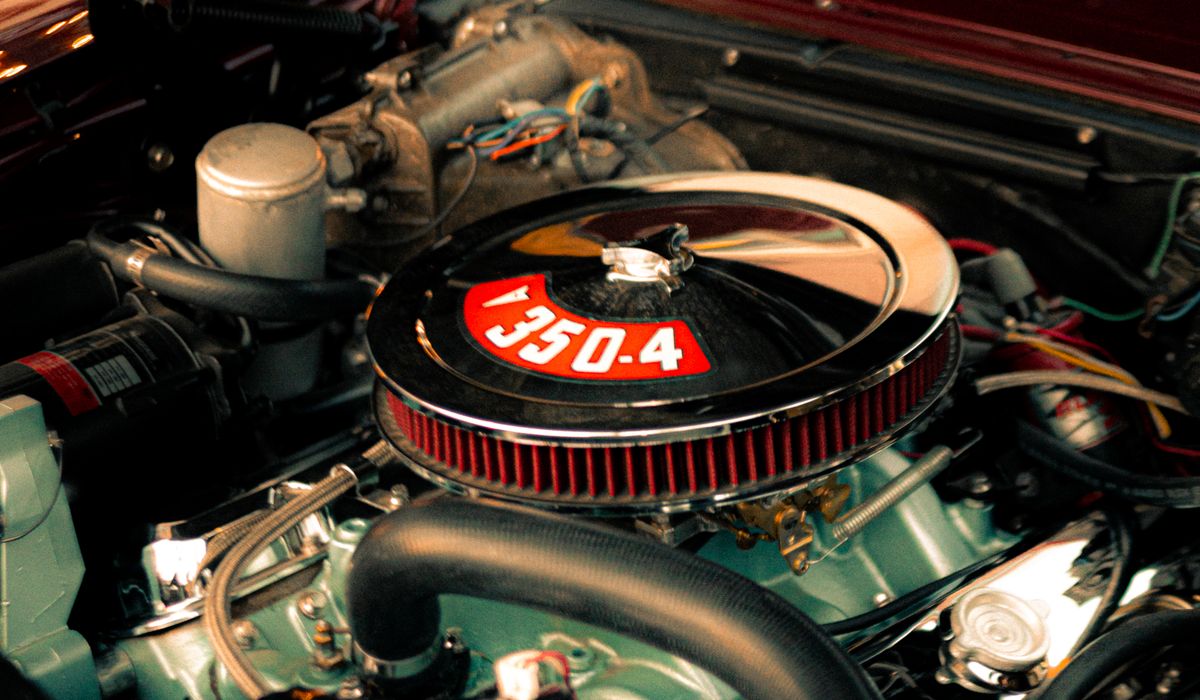
Every time you turn the key, hundreds of metal components inside your engine begin moving at speed. Pistons slide up and down cylinder walls, camshafts rotate, bearings spin and the crankshaft turns thousands of times a minute. Without a protective film of oil between them, these parts would grind against each other and wear out in a matter of weeks. Engine oil provides that film, separating metal surfaces so they glide rather than scrape.
Lubrication is only part of the job. Oil also carries heat away from hot spots such as the bearings, piston crowns and turbocharger, helping the cooling system keep temperatures in a safe range. It holds soot, dirt and combustion by-products in suspension so the oil filter can trap them, and it contains additives that neutralise acids and protect against corrosion. Fresh oil does all of this quietly and efficiently. Old, contaminated oil does it poorly — and eventually not at all.
Put simply, an oil and filter change is the cheapest insurance your engine will ever have.
What Happens When Oil Is Left In Too Long
Oil does not last forever. Over time, heat and contamination cause it to oxidise, thicken and lose the additives that keep your engine clean and protected. Detergents and dispersants become depleted, anti-wear compounds break down, and the oil gradually turns into a gritty, sludgy liquid that struggles to flow where it is needed.
The consequences tend to build slowly, which is why they are easy to ignore:
- Sludge and varnish forming in narrow oil galleries, restricting flow to the camshafts and bearings
- Poor cold-start protection, as thick oil takes longer to reach the top of the engine
- Accelerated wear on camshaft lobes, bearing shells, timing chains and turbocharger bearings
- Higher running temperatures, because tired oil cannot transfer heat as effectively
- Blocked oilways and filter bypass, allowing unfiltered oil to circulate
You may notice a rattle on start-up, a ticking noise from the top of the engine, blue smoke from the exhaust or an oil pressure warning light that flickers at idle. By the time these symptoms appear, damage is often already underway.
Follow the Manufacturer's Schedule — Whichever Comes First
Most manufacturers specify an oil and filter change every 10,000 to 12,500 miles, or every 12 months, whichever arrives first. Some modern engines quote longer intervals, but those figures assume ideal conditions. In reality, plenty of UK driving counts as what the industry calls severe duty.
Consider shortening your interval if your car regularly experiences:
- Journeys of under ten miles, where the engine never fully warms up
- Stop-start town traffic and long periods idling
- Frequent cold starts, especially through winter
- Towing a caravan or trailer, or carrying heavy loads
- Dusty or exposed rural conditions
Short trips are particularly hard on oil. The engine does not get hot enough to burn off condensation and fuel dilution, so moisture and petrol accumulate in the sump. If that describes your driving, an interim change at six months or 5,000 miles is sensible.
If you have bought a used car with patchy service history, treat the clock as starting from zero. Have the oil and filter changed straight away, then stick to a clear schedule from that point on.
Checking Levels Between Services
Oil changes are not the whole story — levels need watching too. Check your oil weekly, or at least before any long journey. Park on level ground, switch the engine off and wait five to ten minutes so the oil drains back into the sump.
- Pull the dipstick, wipe it clean and push it fully home
- Withdraw it again and read the level against the markings
- The level should sit between minimum and maximum — nearer maximum is better
- Top up in small amounts with the correct specification, checking as you go
Never overfill. Too much oil can cause foaming, seal leaks and increased crankcase pressure. If your car uses an electronic oil level monitor, follow the handbook procedure — usually with the engine warm and switched off — rather than guessing.
Needing to top up regularly, or finding the level low after a short period, points to a leak or oil burning. Both deserve investigation rather than endless topping up. If the oil pressure light comes on, stop safely and switch off the engine immediately; continuing to drive can destroy it in minutes.
The Right Oil and Filter Make the Difference
Using the correct oil matters as much as changing it. Viscosity grades such as 5W-30 or 10W-40 are only half the story — modern engines also require a specific approval standard, particularly those with variable valve timing, turbochargers or diesel particulate filters. The wrong oil can affect how these systems perform and may shorten component life. Your handbook lists the right specification, and a reputable workshop will confirm it before filling.
The filter deserves equal attention. A cheap filter may restrict flow or fail to trap fine particles, undoing the benefit of fresh oil. Always replace the filter at the same time, along with the sump plug washer, and reset the service indicator so the next interval is tracked accurately.
Protecting Your Investment
Regular oil changes keep your engine responsive, improve fuel economy and reduce emissions. They also protect resale value, because a stamped service book showing consistent oil and filter changes is one of the first things a buyer inspects. For anyone running a used car with uncertain history, an interim service is money well spent — a modest outlay now that can save a fortune in repairs later.


Used Cars
-
Inspect tread depth, sidewalls, and pressures when temperatures rise. Correct inflation improves grip, saves fuel, and reduces the risk of blowouts on hot roads.


Servicing




-

Long established fact that a reader will be distracted
-

Long established fact that a reader will be distracted
-

Long established fact that a reader will be distracted




Car Finance
Karla Gleichauf
12 May 2017 at 05:28 pm
On the other hand, we denounce with righteous indignation and dislike men who are so beguiled and demoralized by the charms of pleasure of the moment
M Shyamalan
12 May 2017 at 05:28 pm
On the other hand, we denounce with righteous indignation and dislike men who are so beguiled and demoralized by the charms of pleasure of the moment
Liz Montano
12 May 2017 at 05:28 pm
On the other hand, we denounce with righteous indignation and dislike men who are so beguiled and demoralized by the charms of pleasure of the moment